Evaluating Dainty Tree for Real Embroidery Projects
First Impressions and Visual Appeal
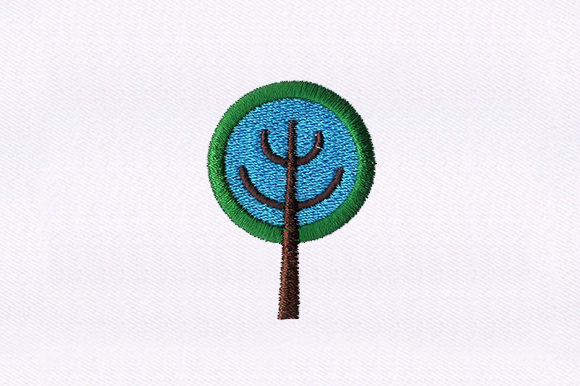
When I first saw the Dainty Tree embroidery design, it immediately struck me as a charming and versatile piece. The delicate lines and gentle curves evoke a serene, almost whimsical mood, making it perfect for a wide range of projects. The design's simplicity and elegance suggest it would be a great fit for both casual and more formal settings.
Real-Life Embroidery Scenarios: A Custom Tote Bag
Imagine using Dainty Tree on a custom tote bag. The design's clean lines and minimalistic approach would make it stand out, adding a touch of sophistication to an everyday item. For a craft business or an Etsy seller, this could be a popular choice, especially for those looking to offer a subtle yet elegant product.
Performance in Various Embroidery Projects
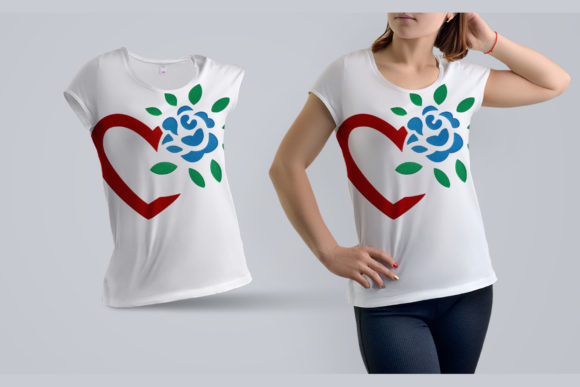
Dainty Tree is well-suited for a variety of embroidery projects. It works beautifully on custom apparel like sweatshirts and t-shirts, where its simplicity can complement the fabric without overwhelming it. For baby items, such as onesies or bibs, the design's gentle appearance would be both appealing and appropriate. Additionally, it can be used effectively on caps, aprons, and pillow covers, enhancing the visual appeal of each item.
Where to Use Dainty Tree with Caution
While Dainty Tree is versatile, there are some areas where caution is advised. For instance, small hoop sizes may not fully capture the design's details, so it's important to check the recommended hoop size (6×6) before starting. Textured and stretchy fabrics might also pose challenges, as they can affect the clarity of the stitches. Dark fabrics should be approached carefully, as the design's fine lines might not show up as well. Similarly, detailed corners and dense stitch areas need extra attention to ensure they stitch cleanly and maintain their intended shape.
Enhancing Product Value and Customer Trust
Incorporating Dainty Tree into your embroidery projects can significantly enhance the visual appeal and value of your handmade products. Whether you're creating a personalized gift, a custom embroidered patch, or a boutique-branded item, the design's elegance and simplicity will likely to customers. This can build trust and recognition, making your products more desirable and professional.
Practical Tips for Embroiderers
- Test the design on scrap fabric first to ensure it meets your quality standards.
- Check thread color contrast to make sure the design stands out clearly on the chosen fabric.
- Review stitch density to ensure the design looks balanced and not too bulky or sparse.
- Confirm hoop size to avoid any issues with the design fitting properly.
- Inspect small details to ensure they stitch cleanly and maintain their intended form.
- Test it in black and white mockups to see how the design translates visually.
- Compare light and dark fabric backgrounds to understand how the design appears in different contexts.
- Use proper stabilizer to support the fabric and maintain the design's integrity.
- Check whether the design works for both personal and commercial projects and confirm licensing before selling finished items or digital products.
Final Thoughts on Dainty Tree
Overall, Dainty Tree is a delightful and versatile machine embroidery design that can add a touch of elegance to a wide range of projects. Its simplicity and charm make it a valuable addition to any embroidery designer's toolkit. By following the practical tips and considerations outlined here, you can ensure that Dainty Tree enhances the quality and appeal of your handmade and commercial products.